
Plastic Waste: A Growing Problem in the Maldives
Shaiu
Author
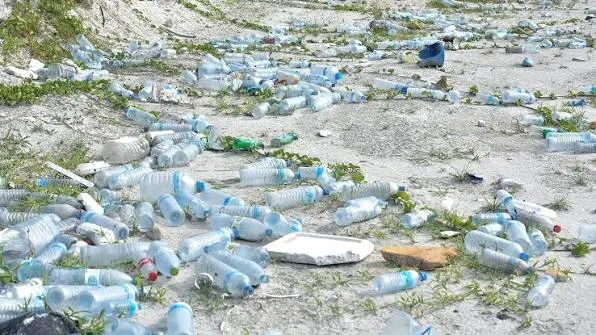
Plastic waste has become one of the biggest environmental problems in the world. Plastic is cheap, strong, and easy to use, which is why it is found in many everyday products such as bottles, bags, food containers, and packaging. However, plastic takes hundreds of years to break down, making it a major source of pollution.
The history of plastic began in the early 1900s when the first fully synthetic plastic, called Bakelite, was invented. Since then, plastic production has increased rapidly around the world. Today, millions of tonnes of plastic are produced every year, and much of it ends up in landfills, rivers, and oceans.
For the Maldives, plastic pollution is a serious concern. As a small island nation surrounded by the Indian Ocean, the country depends heavily on healthy beaches, coral reefs, and marine life. Plastic waste can damage these natural resources and affect tourism, which is one of the country's most important industries.
Plastic waste reaches the ocean through littering, poor waste disposal, and ocean currents. Many plastic items wash onto Maldivian beaches from other countries. Sea turtles, fish, seabirds, and other marine animals can mistake plastic for food, which can lead to injury or death. Plastic also breaks into tiny pieces called microplastics, which have been found in the ocean and on beaches across the Maldives.
Recent statistics show the scale of the problem. According to Waste Management Corporation (WAMCO) data, 922 tonnes of plastic waste were collected from the Greater Malé area in 2024. The same report showed that thousands of tonnes of other waste, including paper, wood, and household waste, were also collected throughout the year.
The Maldives has taken several steps to reduce plastic pollution. In 2021, the government began implementing its Single-Use Plastic Phase-Out Plan. Under this plan, the import of several single-use plastic products was banned, including plastic straws, plastic cutlery, Styrofoam food containers, small plastic shopping bags, and plastic-stem cotton buds. The government later expanded the programme by banning the production and sale of several single-use plastic products.
The government has also introduced regulations and penalties to enforce the ban. In 2026, new rules were announced that allow authorities to fine businesses and individuals who repeatedly violate single-use plastic regulations. The aim is to encourage the use of reusable and environmentally friendly alternatives.
In addition to government action, schools, environmental organisations, businesses, and local communities regularly organise beach clean-ups and awareness campaigns. These activities help educate the public about the dangers of plastic pollution and encourage people to reduce, reuse, and recycle.
Environmental experts believe that solving the plastic waste problem will require cooperation from everyone. By reducing the use of single-use plastics, disposing of waste properly, and supporting recycling efforts, people can help protect the Maldives' fragile environment.
Although plastic pollution remains a major challenge, the actions taken so far show that the Maldives is working towards a cleaner and more sustainable future. Continued public support and responsible waste management will be important in protecting the country's oceans, beaches, and marine life for future generations.
Leave a comment
Comments
No comments yet. Be the first to comment!