
From 'Garbage Island' to Power Grid: Thilafushi’s High-Tech Evolution Nears Late-2026 Finish Line
Shaiu
Author
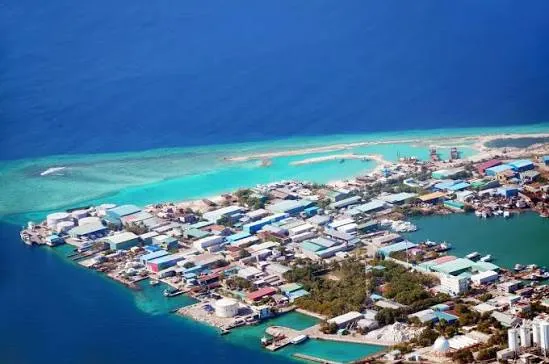
For decades, anyone who visited the Maldives knew there was a dark secret hiding just seven kilometers from the picture-perfect beaches of Malé. It was Thilafushi—affectionately dubbed "Garbage Island"—a growing mountain of trash cloaked in a perpetual haze of toxic, gray smoke. For over thirty years, open burning was the only way the country could cope with the sheer volume of waste generated by its booming tourism industry and crowded capital.
But if you look out across the water today, that infamous plume of smoke is gone.
The Maldives is currently pulling off one of the most ambitious environmental turnarounds in its history. Through the multi-million dollar Greater Malé Waste Management Project, Thilafushi is being completely gutted and rebuilt from the ground up. The goal? To turn a national embarrassment into a high-tech green energy hub by the end of 2026.
Moving Beyond the "Dump"
Fixing a crisis of this scale required rewriting the entire logistics chain from scratch. The old, chaotic dumping grounds in Malé and Hulhumalé have been replaced by modern, enclosed transfer stations. Now, instead of throwing everything onto open boats, workers pre-compact and sort the trash on the mainland.
The results are already showing up in the data. On Thilafushi itself, specialized plants have been set up to crush massive piles of construction rubble and safely strip down old vehicles. Even the harbor logistics have changed; resort supply boats that used to sit idling in the water for up to 24 hours just to unload their trash are now in and out in under an hour.
"This facility addresses the country's two key constraints to sustainable waste management: absolute land scarcity and a historical lack of treatment infrastructure." — Luca di Mario, Urban Development Team Leader, Asian Development Bank
Turning Trash Into Power
The real crown jewel of this transformation is the new Waste-to-Energy (WTE) plant, which is entering its final stages of construction. Managed by the global environmental services firm Urbaser, the facility is a massive engineering feat designed specifically to withstand the frontlines of climate change.
To protect against rising sea levels and unpredictable ocean surges, the entire complex is built on raised elevations with flood-proof mechanical cells. Once the dual incineration lines are fully fired up later this year, the facility will change the math on Maldivian waste:
500 Tons: The amount of daily garbage the plant will incinerate.
13 Megawatts: The volume of clean electricity fed directly back into the local power grid.
80% Reduction: The amount of combustible waste diverted away from landfills by 2027.
40,000 Cars: The equivalent amount of greenhouse gas emissions cut annually.
A New Legal Reality
Of course, building a massive incinerator doesn’t fix the root problem: the Maldives simply creates too much trash. That is where the government’s Magey Saafu Raajje (My Clean Maldives) framework comes in.
The state is moving aggressively past basic cleanup campaigns and targeting the supply chain itself. The phased ban on single-use plastics is tightening, forcing resorts to rethink how they operate. More importantly, new Extended Producer Responsibility (EPR) laws are about to hit the books, meaning businesses and importers will soon be legally and financially responsible for the lifecycle of the packaging they bring into the country.
There is still a long way to go, especially when it comes to replicating this infrastructure across the hundreds of isolated outer atolls. But as the final pieces of the Thilafushi plant click into place, the Maldives is sending a clear message to the rest of the world: it's finally ready to stop just burying its problems, and start solving them.
Leave a comment
Comments
No comments yet. Be the first to comment!